
Sport’s real competitive advantage is decision-making speed
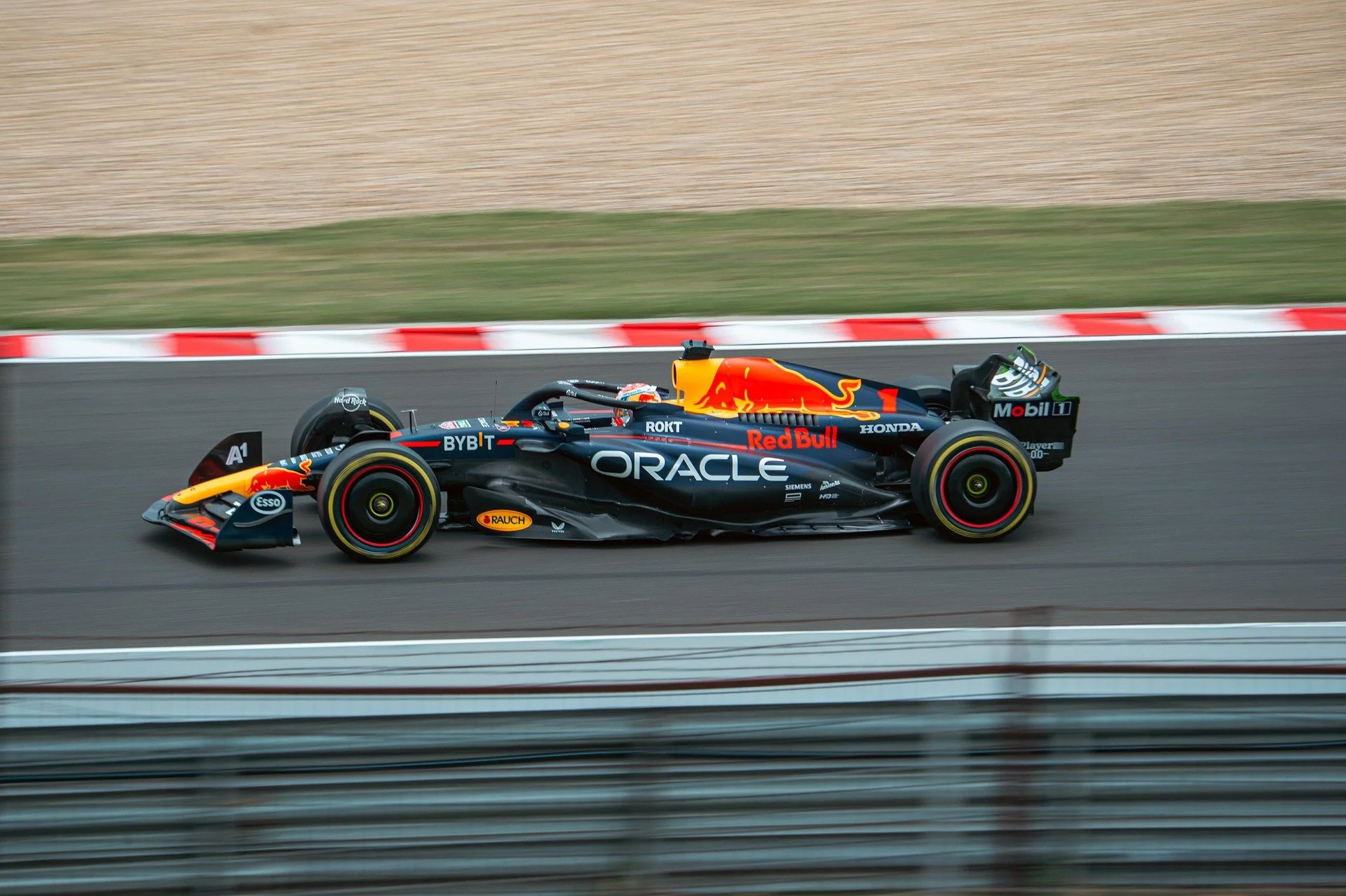
Across global sport right now, results are increasingly shaped less by talent and more by how quickly organisations process information.
As the new Formula One season approaches and teams analyse pre-season testing data, the most important calls still happen live. Engineers make race-defining decisions on tyre strategy, weather shifts, safety-car probability and pit timing within seconds. The advantage is not perfect information, but faster interpretation.
The same pattern is appearing across the wider sports industry. Packed calendars, international travel congestion and growing commercial expectations mean clubs, venues and organisers are now operating in real-time environments. Broadcast schedules cannot move, sponsors expect certainty, and supporters demand seamless experiences. Operational delays are no longer minor inconveniences; they are reputational and financial risks.
Modern venues illustrate this shift most clearly. Stadiums are no longer single-event locations. They function as year-round businesses hosting sport, concerts and corporate events, often for tens of thousands of visitors simultaneously. That complexity requires live visibility across ticketing, access control, staffing and security operations.
This is why many operators are investing in integrated platforms such as Momentus stadium, arena and event software, which centralise planning and operational coordination across large venues and event calendars.
The underlying change is simple. Sport has moved from a scheduled industry to a real-time one.
Competitive advantage is no longer defined by resources alone.
It is defined by how quickly organisations can understand what is happening and act on it.